Sanxingdui Archaeology
2024-09-11 22:21:55
Sanxingdui is an important archaeological site located in Guanghan City, Sichuan Province, southwestern China. This site is a national key cultural relic protection unit, renowned for its rich Bronze Age culture and unique cultural relics. The discovery of Sanxingdui reveals the glory of ancient Shu culture and showcases the highly developed level of ancient Shu civilization about 3000 years ago.
The archaeological work of Sanxingdui Site began in 1929, and the formal archaeological excavation began in 1980. This site is named after its three loess mounds, which stand abruptly on the Chengdu Plain and are important symbols of ancient Shu culture. The Sanxingdui civilization inherited the ancient Shu Baodun culture and inspired the later Jinsha culture and Cuban culture, lasting about 2000 years and representing an important stage of early civilization in the Yangtze River Basin.
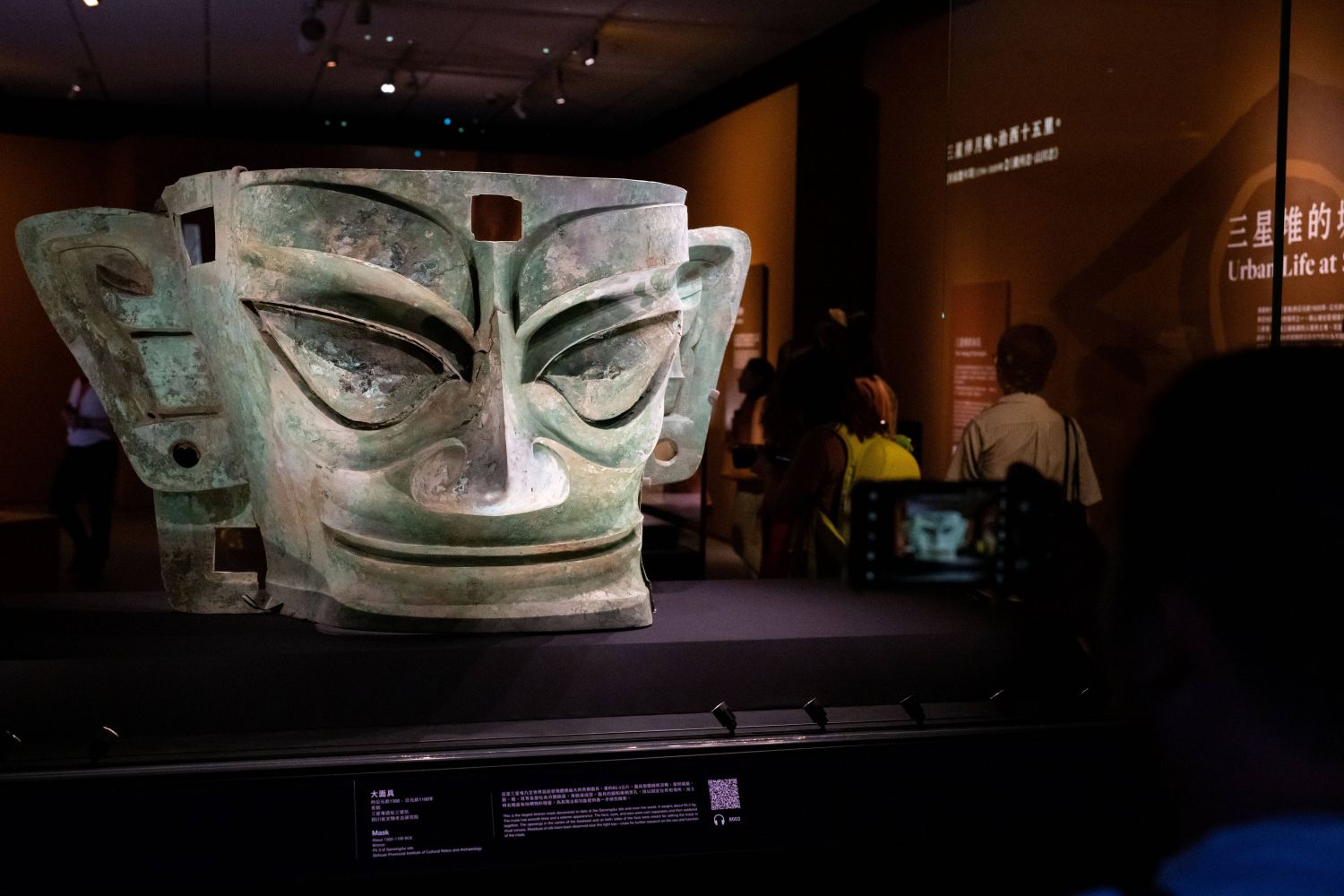
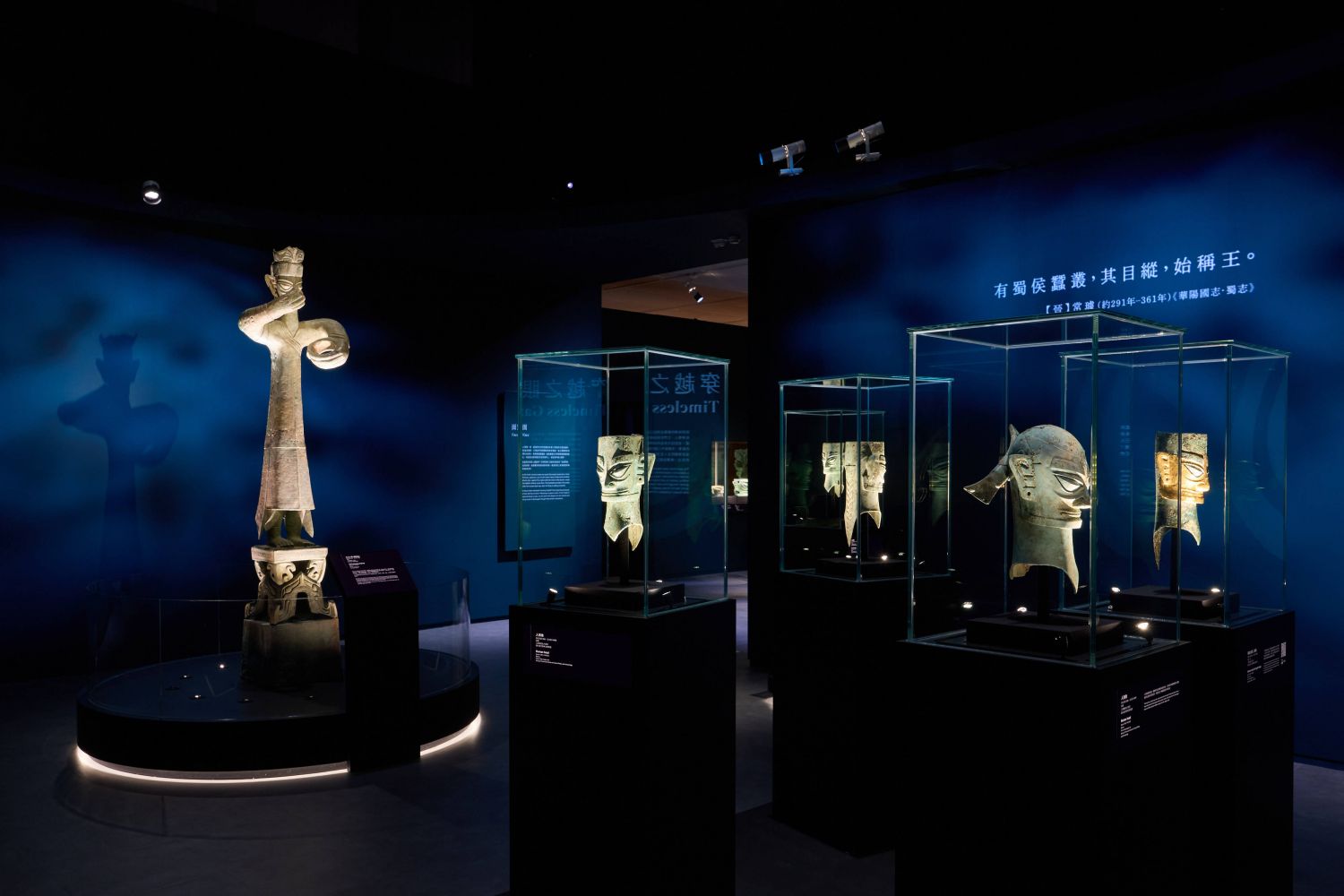
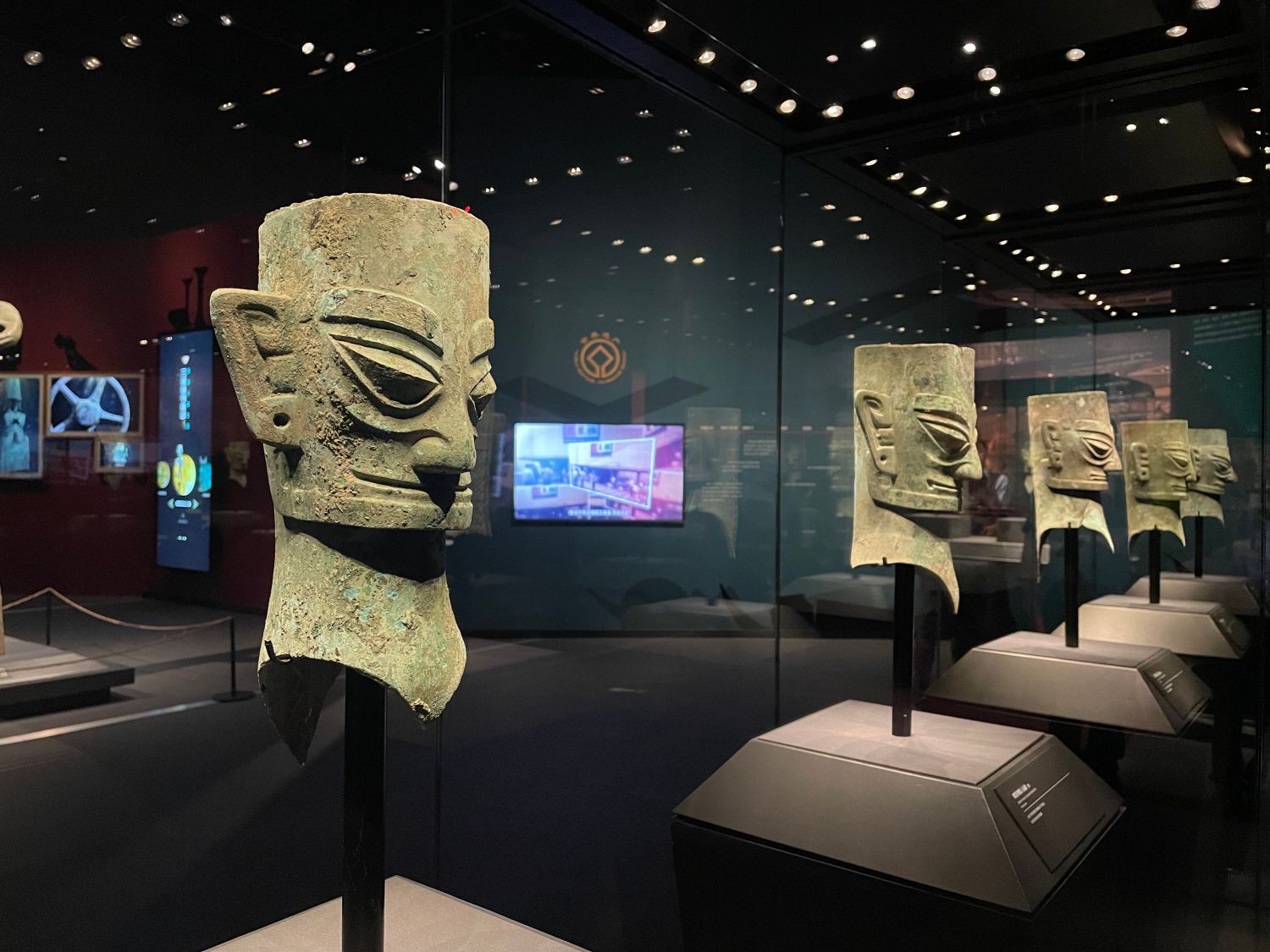
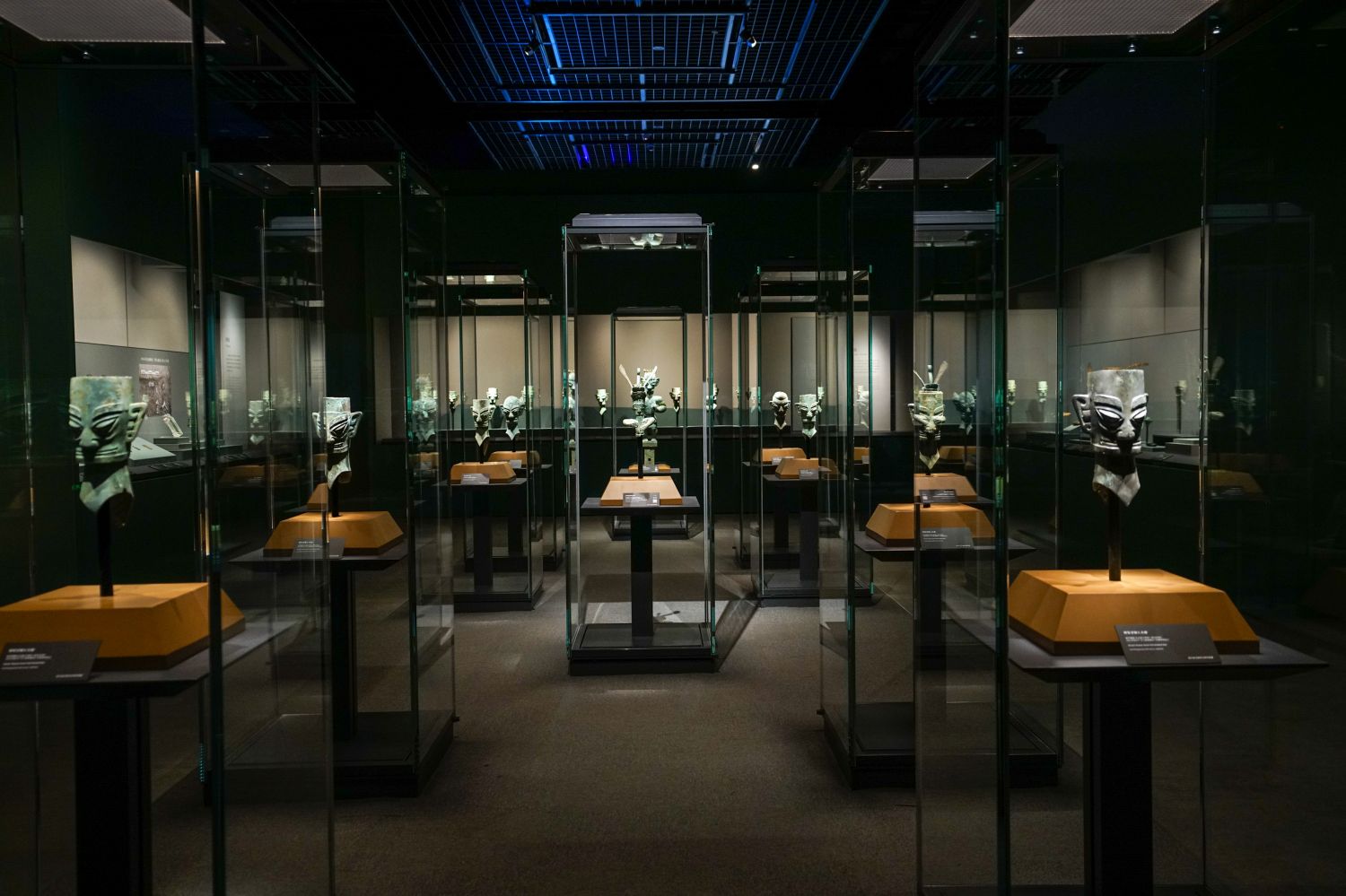
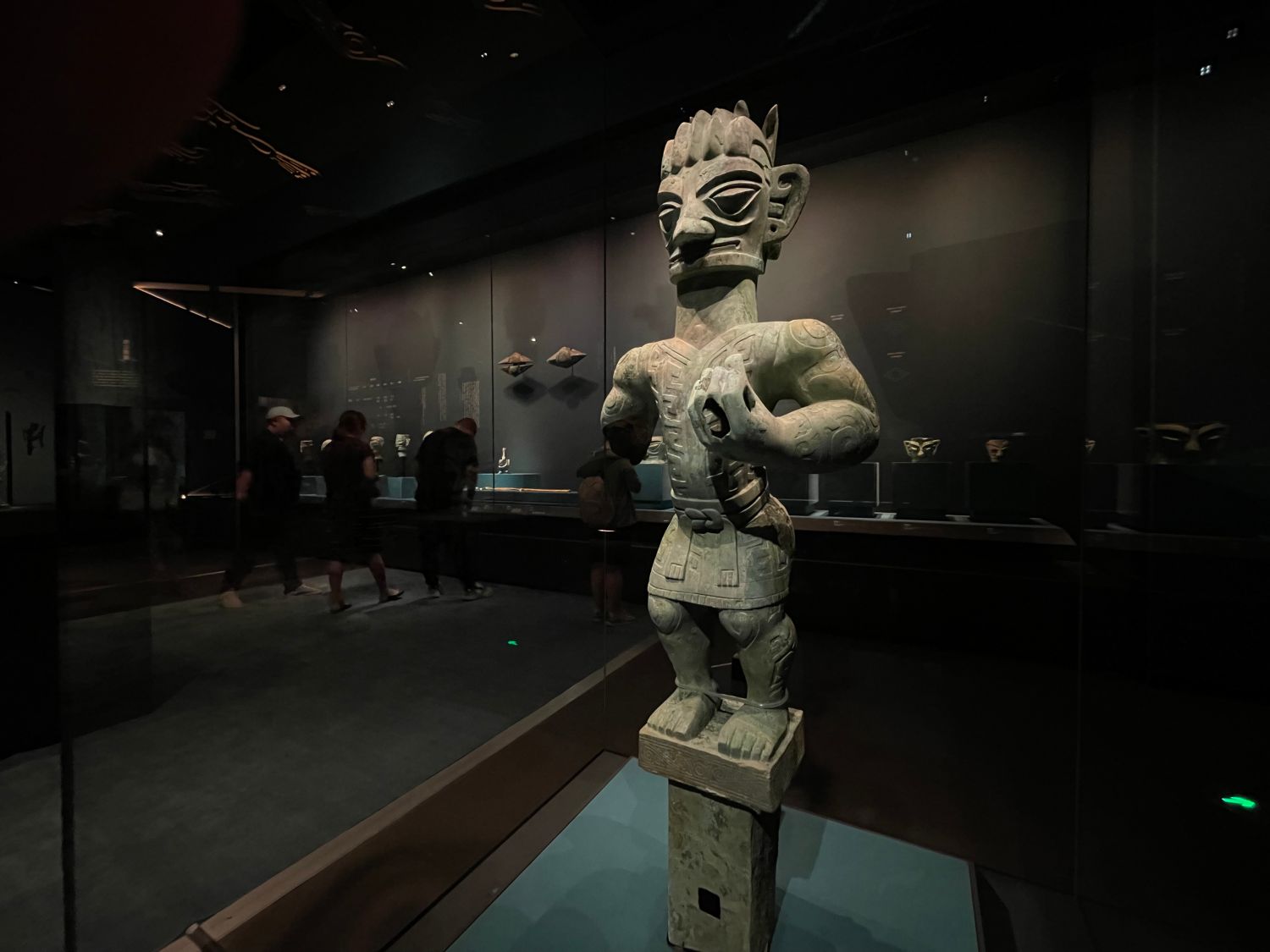
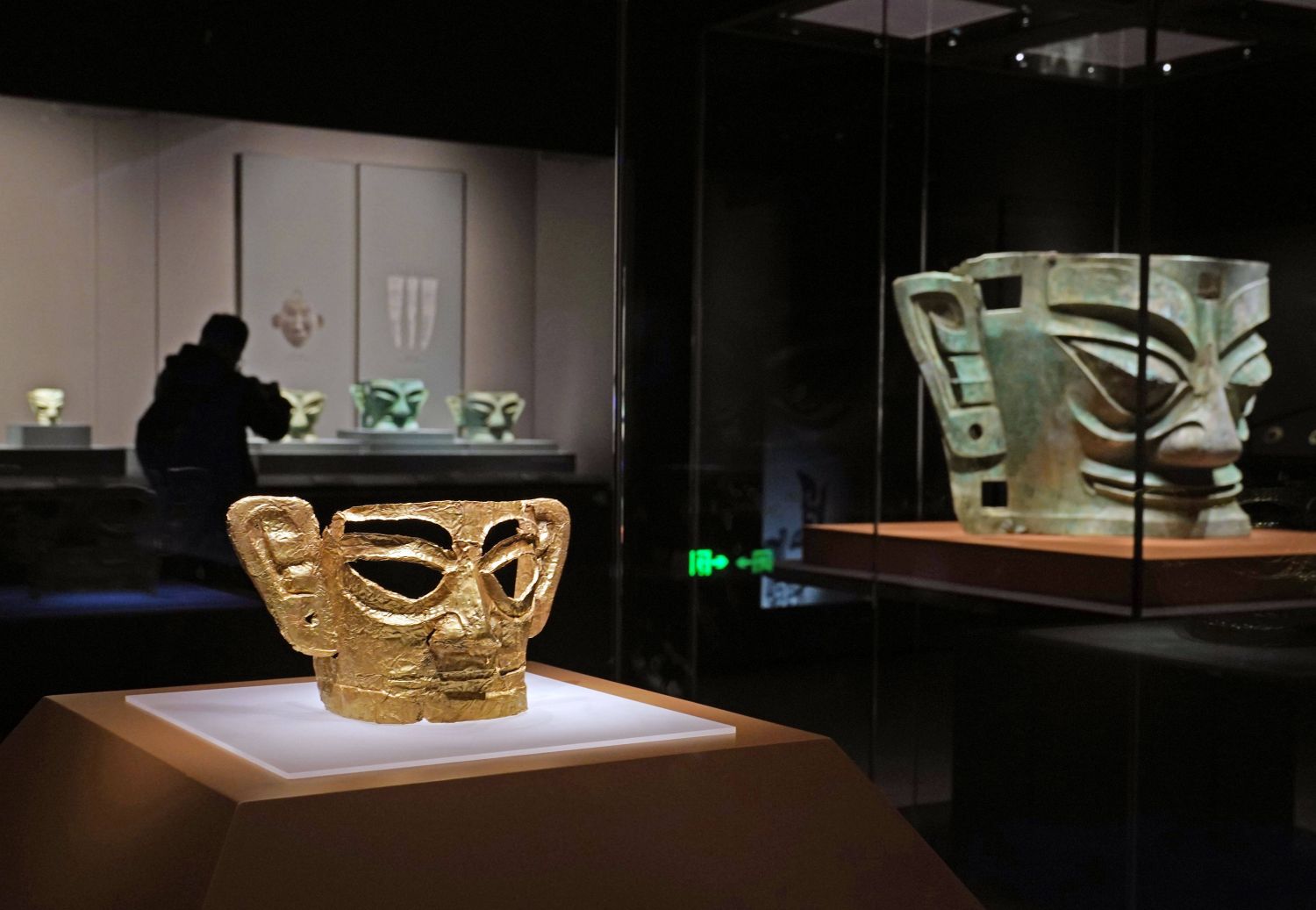
The Sanxingdui Museum is a specialized site museum that displays a large number of cultural relics such as bronze, gold, jade, and ceramics. The bronze standing figures, bronze masks, and bronze divine trees among them are highly representative exhibits. This museum is not only an important place for studying ancient China, but also a great destination for tourists to learn about ancient civilization.
In recent years, with further excavation and research on the Sanxingdui site, more cultural relics and research achievements have emerged, further enriching people's understanding of ancient Shu culture. In addition, the launch of the Sanxingdui Archaeology English website provides a platform for archaeologists, cultural scholars, and cultural enthusiasts around the world to learn about Sanxingdui archaeological achievements and the latest developments.
The discovery of Sanxingdui not only shows the wisdom and skills of the ancient Chinese people, but also provides valuable information for the study of the diversity of Chinese civilization and the early state form. The importance of this site is not only reflected in its rich cultural heritage, but also in its crucial role in understanding the evolution of ancient Chinese civilization.